Transaction Processing Speeds Shape Accumulator Strategies in Mobile In-Play Football Markets
Finley Vogel · Oct 23, 2026
Transaction Processing Speeds Shape Accumulator Strategies in Mobile In-Play Football Markets
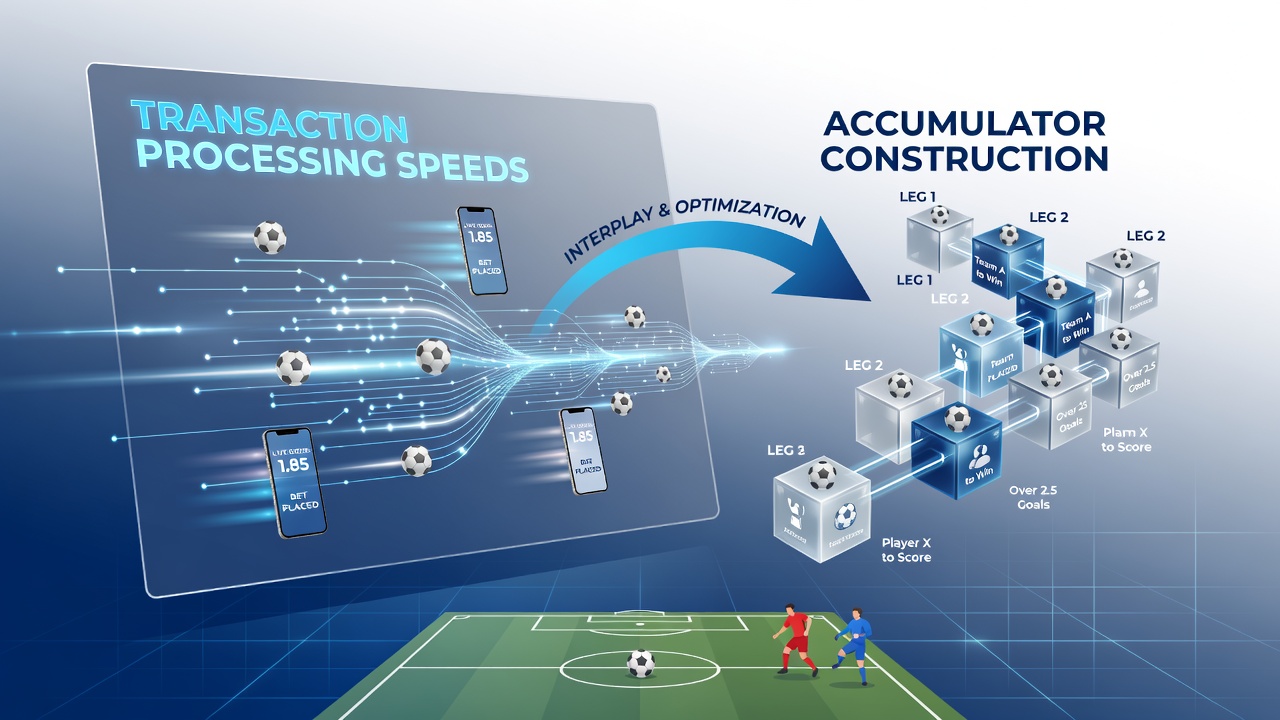
Transaction processing speeds directly influence how bettors construct accumulators during live football matches on mobile platforms, and data from multiple markets shows this connection has grown more pronounced by October 2026. Faster payment confirmations allow users to add legs to multi-bet selections while odds fluctuate in real time, whereas slower processing creates gaps that can prevent successful accumulator completion before events resolve.
Core Mechanics of Transaction Processing in Mobile Betting
Mobile operators rely on payment gateways that handle deposits and bet placements through integrated APIs, and these systems determine the interval between a user's selection and its confirmation in an active accumulator. Research from the Australian Gambling Research Centre indicates average processing times for in-play football wagers range from 0.8 to 3.2 seconds across major platforms, with variations tied to network conditions and operator infrastructure. Shorter intervals enable bettors to stack additional legs onto existing accumulators without losing favorable odds, while delays force manual adjustments or abandonment of planned selections.
Payment rails such as digital wallets and instant bank transfers feed directly into these systems, and their performance affects the entire accumulator workflow. Observers note that platforms using blockchain-based settlement or cloud-optimized servers consistently report lower latency during peak match periods, whereas legacy systems encounter bottlenecks when transaction volumes spike.
Accumulator Construction Patterns in Live Football
Accumulators in in-play football markets typically combine outcomes such as match results, goal totals, player performances, and half-time adjustments, and mobile interfaces allow users to modify these combinations rapidly as events unfold. Construction speed becomes critical because odds shift with each goal, substitution, or card, requiring users to finalize selections before further changes occur. Figures from industry monitoring services reveal that successful accumulators in live markets average between four and seven legs when processing times stay under two seconds, compared with fewer completed selections on slower systems.
Users often build accumulators by adding one leg at a time while monitoring live data feeds, and transaction confirmation must occur before the next market movement renders the selection unavailable. Studies from the University of Nevada Gaming Innovation Lab demonstrate that platforms with sub-second processing support higher average leg counts per accumulator during high-stakes matches, because bettors can react to emerging patterns without interruption.
Direct Effects of Processing Speed on Accumulator Outcomes
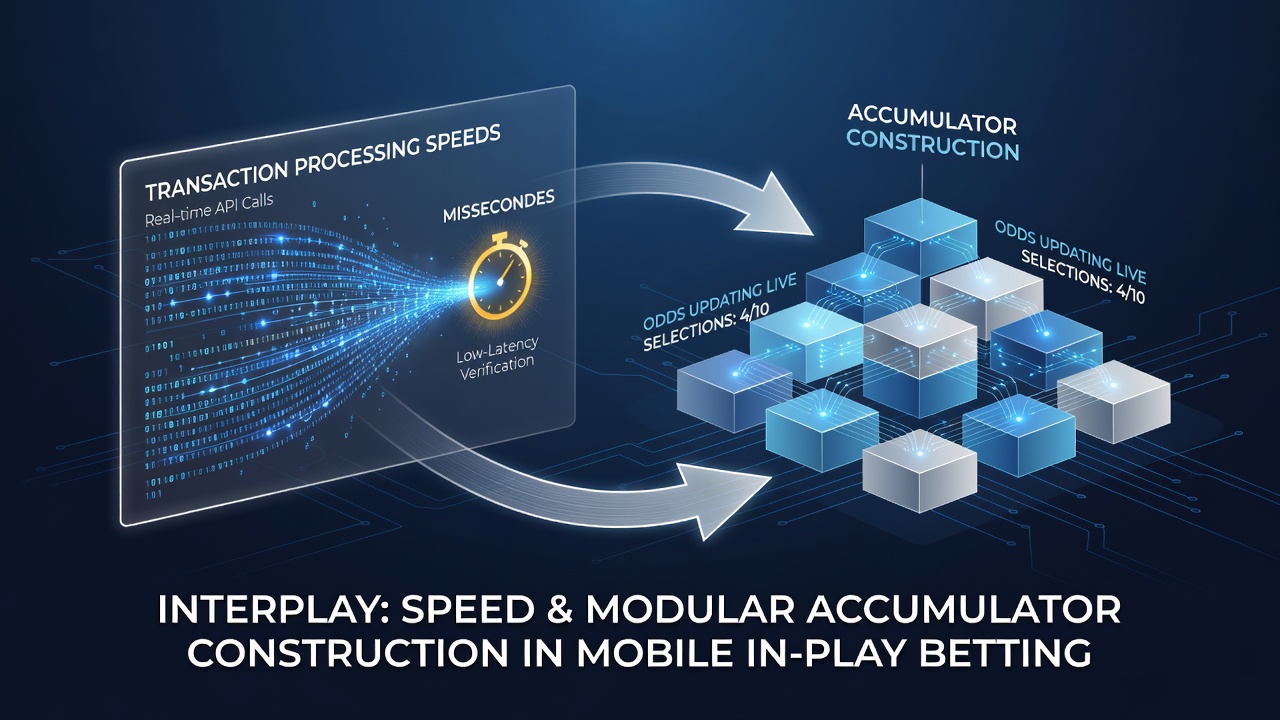
The time required to confirm each added leg creates a measurable impact on final accumulator returns, and evidence indicates that delays exceeding 2.5 seconds correlate with reduced completion rates for multi-leg bets. Bettors attempting to incorporate late-match developments, such as injury time goals or penalty decisions, face higher failure risks when processing queues form. Data compiled by the Canadian Gaming Association shows that operators who reduced average transaction latency by 40 percent recorded a 19 percent increase in completed in-play accumulators over comparable periods in 2025.
Speed also influences risk management within accumulator construction, because rapid confirmation allows users to lock in odds before adverse movements while slower systems expose selections to greater volatility. Those who study these markets observe that mobile applications optimized for low-latency environments enable more precise timing of leg additions, particularly during matches with frequent scoring sequences.
Technological Developments Observed in 2026
By October 2026 several operators have implemented edge computing nodes near major data centers to further compress processing intervals, and early reports indicate these upgrades support accumulator building during simultaneous live events. Integration with 5G networks has reduced packet loss during high-volume periods, which in turn stabilizes the sequence of bet placements required for complex accumulators. European gaming technology forums document that platforms adopting these methods experience fewer interrupted accumulator sessions compared with those relying on centralized servers alone.
Security protocols remain embedded within these faster systems, and regulatory frameworks in multiple jurisdictions require verification steps that must occur without extending overall latency. The balance between compliance checks and speed continues to shape accumulator viability in live football markets.
Conclusion
Transaction processing speeds and accumulator construction remain tightly linked in mobile in-play football markets, with measurable effects on selection completion and market participation. Continued infrastructure improvements and network advancements are expected to sustain this relationship as live betting volumes grow through the remainder of 2026 and beyond.